Where the word comes from
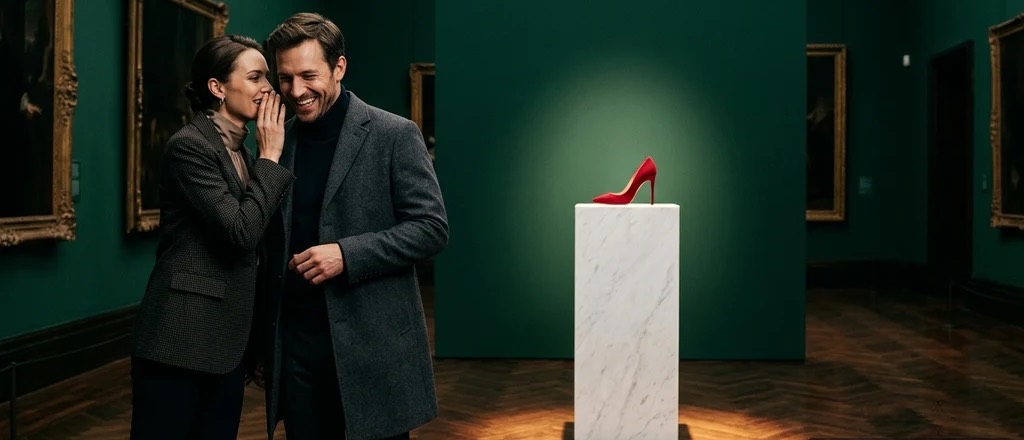
The word comes from Portuguese: feitiço, meaning "charm" or "spell." Portuguese sailors used it for the amulets they saw among people in West Africa. In 1760, the French scholar Charles de Brosses turned it into an academic term: he called the worship of objects fetishism.
Later the word picked up two more meanings. Karl Marx wrote about commodity fetishism, when people credit things with a value that isn't really in the things themselves. And in 1887, the French psychologist Alfred Binet applied the word to attraction. That's how "fetish" ended up in psychology.
Everyday fetish vs. fetish in psychology
- In everyday speech, a fetish is a playful "I'm obsessed." A stationery fetish, a thing for good shoes, a weakness for the smell of fresh paper.
- In psychology, it's a steady attraction switched on by a specific detail: a material, a piece of clothing, a body part, a role, or a look.
- The verb "fetishize" lives its own life and means "to overvalue": fetishizing success, fetishizing productivity.
Most people who say "I have a fetish" mean a preference, something they're especially into. That's a completely ordinary part of adult life.






















Comments