
Why "handsome" gives you nobody's face
"Handsome dark-haired guy with blue eyes, tall, athletic." That's the description people write most often, and it produces someone off a fitness magazine cover: smooth and instantly forgettable. "Handsome" is a verdict, not a feature. It tells you nothing about who he is or how he's lived.
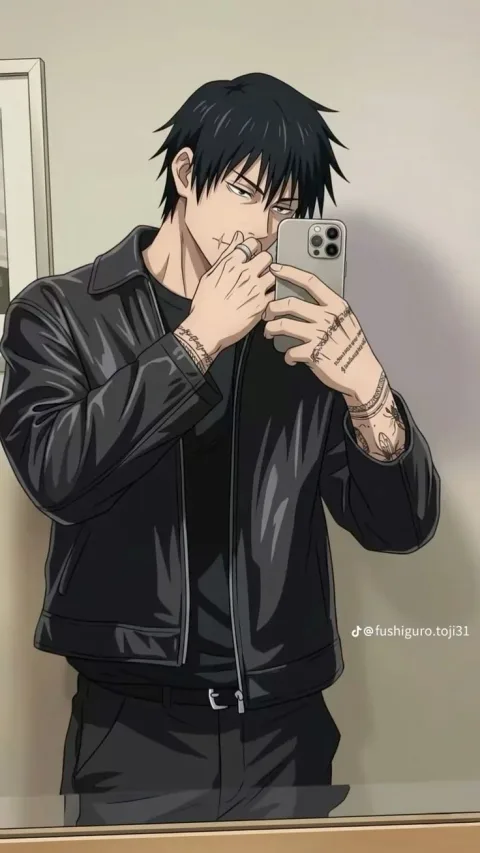
Compare: "Tall, slouches like he's always ducking through low doorways. Dark hair that's forever a little damp. Twists a ring on his finger when he's thinking." Not one compliment, yet you can already see him. And most importantly, those lines tell you how he'll move in a scene.
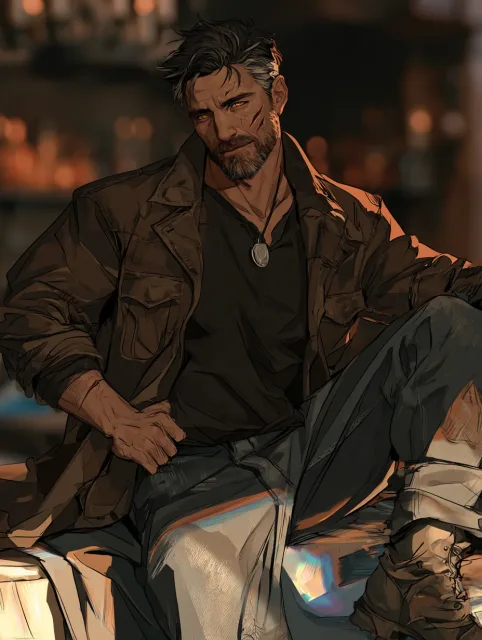
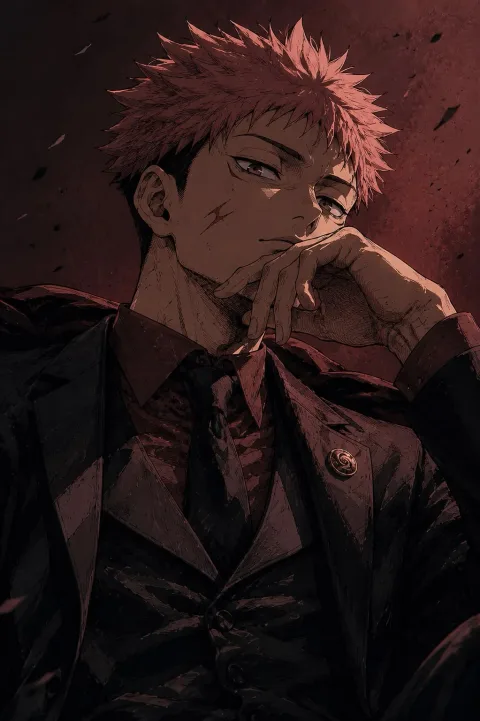
The one-reason rule: every feature should have a story. The scar on his eyebrow is from a childhood fight defending his brother. The calluses on his fingers are from a guitar he gave up. You don't have to write the reason down, but keep it in your head.
A feature vocabulary: what each area says
You don't need to describe everything. Pick two or three areas that serve the personality, and leave the rest to the artist.
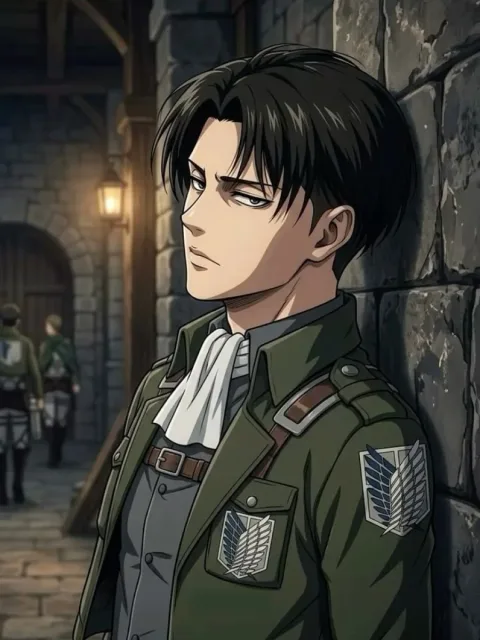
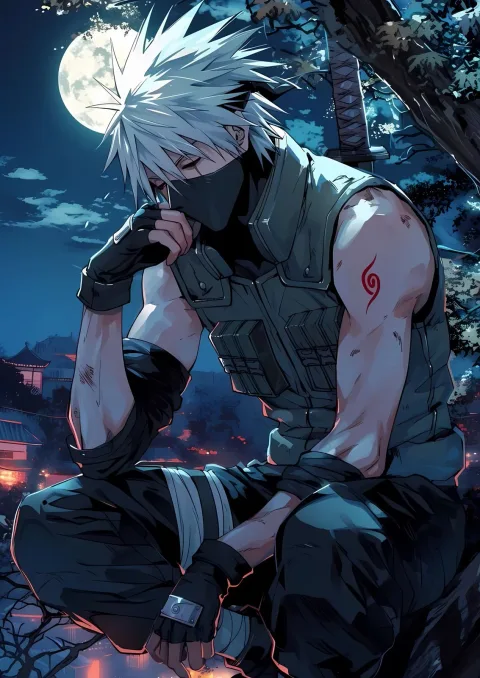
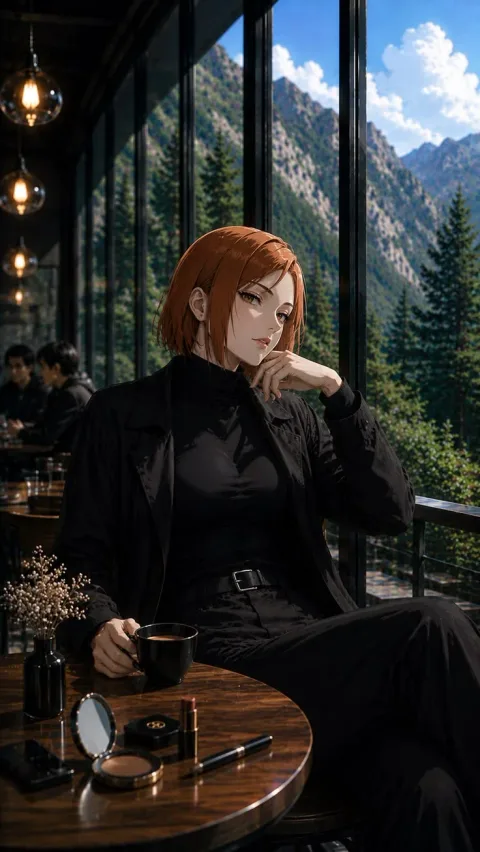
- FaceSharp cheekbones and a heavy jaw read as stubborn; a soft oval reads as open. Asymmetry (a slightly crooked nose, mismatched eyebrows) instantly makes a face feel real.





















Comments