
Why your first character often disappoints
A first character card usually looks like this: a pretty name, a paragraph about looks, "mysterious but kind," and that's it. The character comes out polite, responsive and completely empty. They answer, but they don't want anything and never argue about anything.
The reason is simple: the model plays exactly what's written. If the card has a mood and a look, it plays a mood and a look. A person begins where there are actions, wants and fears. The fix is a short but precise text. Let's go block by block.
Step 1. Name
A name sets age, background and distance before a single word is said. "Mila Sokolova" and "Lady Isolde" are different stories. Use plain letters, no emojis, asterisks or hearts: the character says their own name in dialogue, and the decorations will end up in their lines. Shorten a long compound name and move titles into the description.
Can't decide? The builder has a random name button, and there are ideas in names for a male character and names for a female character.
Step 2. Personality description
The core of the card. This is where the character learns who they are. Write connected prose in the third person, "she answers briefly," not "I answer briefly." The model reads comma-separated lists as a dry inventory and a story as a living person.
- PersonalityNot adjectives, but reactions: what they do when praised, when pressured, when scared. How they act with loved ones, with jerks, with people weaker than them.
- Speech stylePace and sentence length, pet phrases, conversational habits: looks away, twists a ring, answers a question with a question.
- BackstoryOne or two turning points that explain why they are the way they are now. Not their whole life.
- WorldOnly the rules that affect the conversation: magic, technology, laws, dangers.
- LifestyleWhat they're doing right now, where they just came from, how tired they are. A character with a life in the background starts conversations on their own.
How to make a personality feel alive is covered in detail in how to come up with a character's personality.
Step 3. Looks and avatar
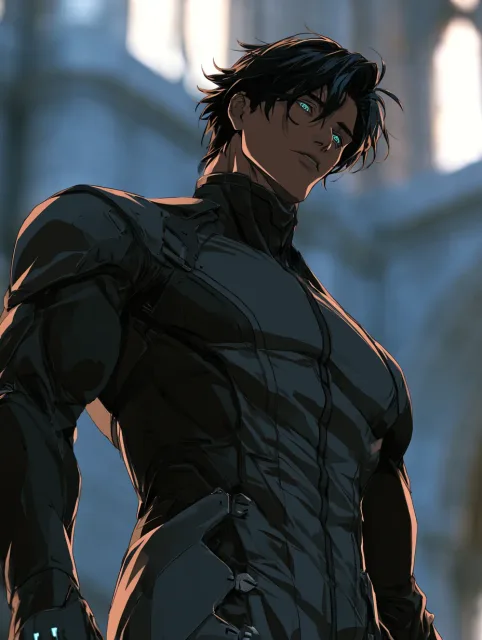
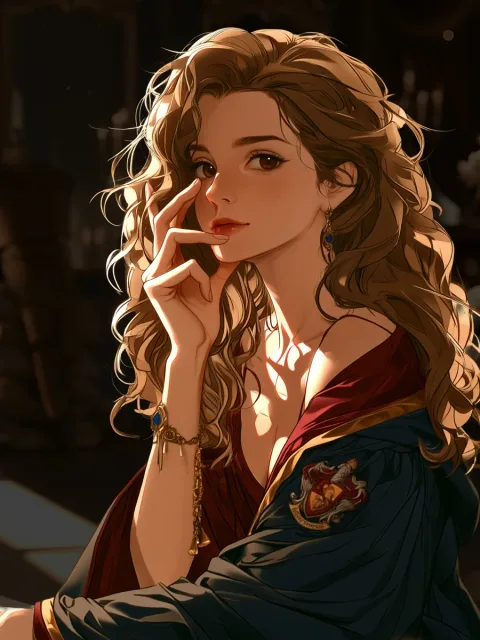
First describe their looks in text: two or three distinctive features, build, the way they move, clothing style. Then make an avatar: generate a portrait from the description in anime, manhwa or realistic style, or upload your own picture. The description text is also used for images the character sends in chat, so the description and the avatar shouldn't contradict each other.
Pick the portrait by the face: you'll see it next to every message. Features and styles are covered in a guy's appearance for your character, and working with your own photos in a character from a photo.
Step 4. Scenario
A scenario turns small talk into a story. Set an external goal (buy back the workshop, find a missing sister) and an internal obstacle (can't ask for help, can't forgive themselves for a mistake). The goal pulls forward, the obstacle holds back, and that's where the plot comes from.
You can add a few steps toward the goal, dreams, and topics the character is ready to argue about for hours. But don't script the plot minute by minute: leave room for what you'll come up with together.
Step 5. First message
The first line sets the style, pace and mood of the whole conversation. It needs three things:
- A scene: where we are, what's around, what the character is doing. Wrap actions and surroundings in *asterisks* so the chat shows them in italics, separate from speech.
- A reason to talk: a discovery, a request, a run-in, a test.
- A hook: a question or action at the end that makes you want to reply.
You can make several opening variants with different plots and different levels of distance. And the {user} tag in the text fills in the other person's name.
Your draft saves automatically: fill in a couple of blocks today and come back tomorrow.
Create a characterFour tricks against blandness
- Details instead of adjectivesNot "neat," but "sorts their pens by color and gets annoyed if anyone moves them."
- A contradictionTwo traits pulling in opposite directions: brave but afraid of being alone, a cynic and a secret romantic.
- Backstory beats looksOne event from the past that explains a fear works better than three paragraphs about eyes and hair.
- Blank spotsDon't tell everything. A topic the character avoids is the best excuse for a long conversation.
Three common mistakes
- A pile of adjectives instead of a personality. "Kind, smart, cheerful" turns into an average conversation partner.
- A perfect character. Without weaknesses and limits, they agree with everything, and talking to them gets old fast.
- A rigid scenario. If everything is scripted in advance, the character drags you along the rails and doesn't hear your moves.
Polishing: a couple of evenings of chat
A good character rarely comes out right the first time. Talk to them for a couple of evenings and note where they sound flat. Then open the card and fix one line: add a fear, a limit or a speech quirk. The character remembers past conversations, so an edit won't reset your relationship. More in AI character memory.
Once the character's ready, decide who gets to see them: keep them private, share by link with friends, or publish them in the catalog. Public characters go through a review before they appear in the catalog.






















Comments