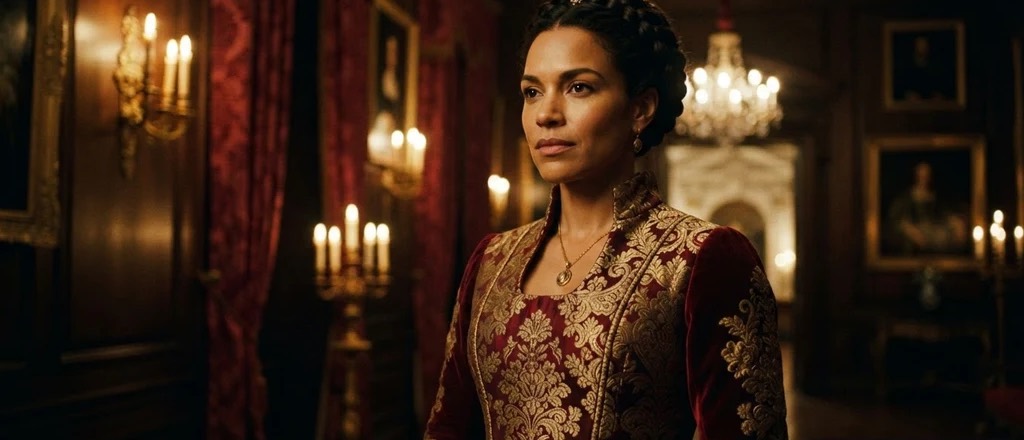
How a historical scene differs from fantasy
In fantasy, you invent the world, and it bends to fit the plot. In history, the world already exists, and its power is in the distance. An empress doesn't know what a vacation is, a spy from the early 1900s can't "just google it," and a general sincerely believes his army is the best in the world. The character lives by the rules of their era and doesn't step outside them, even when that would be more convenient for the player.
And that's exactly what makes it interesting: you bring your logic, the character brings theirs, and where they meet you get a conversation you'll never have with anyone from your own time.
Why historical scenes fall apart
- The exam. "What year was the battle of…?" The character answers — and that's it. A reference book isn't someone to talk to.
- Hindsight. "You know, in two hundred years your empire…" breaks the scene. If you want to play a time traveler, agree on that up front.
- Nothing but grandeur. Talking to an empress only about reforms is like talking to a surgeon only about scalpels.
- Manners from the wrong era. Different centuries have different rules: in some, addressing someone too familiarly is an insult; in others, it's normal.
How to enter the scene
Through daily life. What was she doing until midnight? Why are his hands always cold? Who snores the loudest at court? The small details of an era reveal a person faster than any heroic deed.
























Comments