
What the word is made of
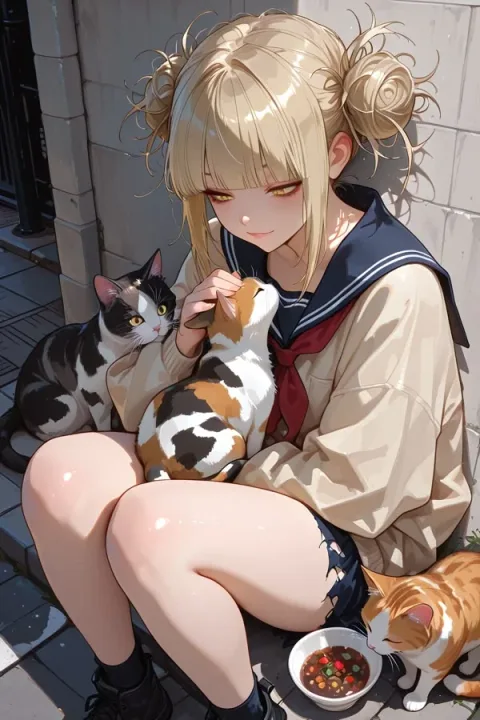
The first part comes from a Japanese verb meaning "to be sick" — more often in the heart than the body. The second is that same "dere," lovestruck tenderness, found in all the dere types. Together you get "sick love." Not "evil heroine" and not "crazy": a yandere isn't bad in herself; her feelings just grow to a size that no longer fits within normal.
How the archetype works
A yandere almost always goes through two phases. First: sweet, attentive, caring. She remembers how you take your coffee, shows up before everyone else, lights up at every word you say. The audience doesn't suspect a thing yet.
Then something snaps. A rival shows up, you're slow to reply, a friend pulls your attention away. And tenderness turns into control: "who were you with," checking your phone, threats against anyone close to you. To a yandere, the person she loves is an ideal she won't share with anyone. The actual person matters less to her than the image she's built in her head.
- Jealousy over nothing — and over everything.
- The urge to be the only person in their beloved's life.
- Sudden tone shifts: from affection to threat in a single line.


























Comments