What it actually is
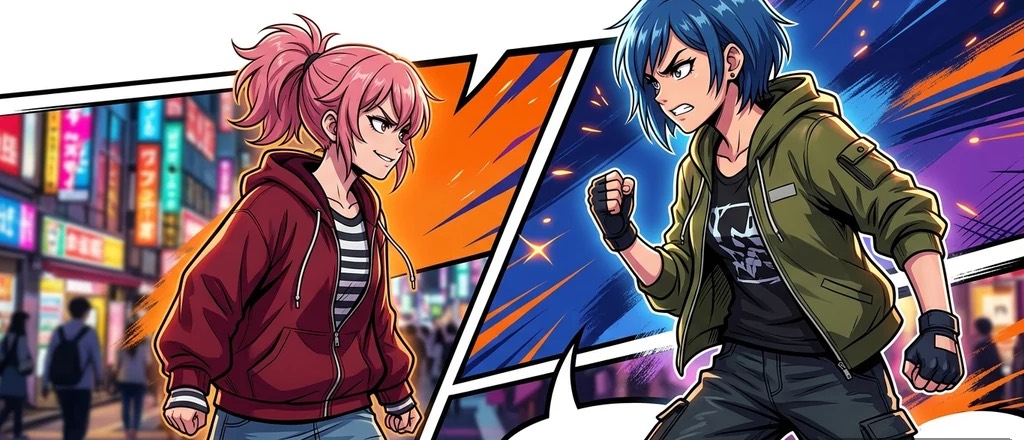
Picture a book two people write in turns, without knowing how it ends. One describes what their character did. The other answers for theirs. Those turns add up to a scene.
- What sets RP apart from regular chatting is that you're not speaking as yourself. Your character has their own name, their own story, and their own reasons for doing things. That's what playing a role means.
- What sets it apart from tabletop RPGs: no dice and no numbers. Nobody rolls for agility. The logic of the scene decides what happens.
- What sets it apart from fanfic: you're not the only author. You can't plan the ending, because your partner won't answer the way you expect, and that's the whole point.
"RP," "roleplay," and "RPing" usually mean the same thing. If you want to understand the difference between roleplaying with a human partner and with an AI, check out AI roleplay: what it is.
What a first post looks like
The start is usually what scares beginners. In practice, a solid first post has three short parts.
- Where we areA sentence or two about place and time. "A coaching inn at the mountain pass. It's been snowing for three days straight."
- What my character doesA concrete action, not a mood. "I shake the snow out of my boot and ask the innkeeper for some mulled wine."
- A hook to answerSomething your partner can respond to. "A man in a soaked cloak sits by the fire, studying the travel papers I left on the table."
That's it: three sentences, and the scene has started. Long walls of text at the start tend to get in the way, because your partner has nothing to grab onto. For more ready-made openings, see our list of roleplay ideas.
Three mistakes that kill a game
- You write for someone else's character. "I hold out my hand, and he happily shakes it": the second half isn't yours. On forums this is called powerplaying, and it's the number one reason scenes fall apart. Write only your own action and leave your partner their move.
- Your character can do everything. A character with no weak spots creates no tension, because it's obvious they'll be fine. One vulnerability makes a scene more interesting than ten superpowers.
- You reply with one word. "Okay," "yeah," "sure" isn't a post. Your partner has nothing to do with it. Add one action or one detail and the conversation comes back to life.
The rest of the lingo (godmodding, metagaming, AU, canon, OOC) is in our RP glossary.
RP with AI: what changes
The hardest part of classic RP is finding a partner who's free right now and wants to play in the same world. Agreeing on things can be harder than playing. With an AI, the other side is always there: no forum application, no waiting for approval, no adjusting to someone else's pace.
The rules stay the same, though. Powerplaying breaks a scene with a model just as it does with a person, and one-word replies kill it just as fast. For a detailed look at the first step, read how to start roleplaying with AI.
Where to start
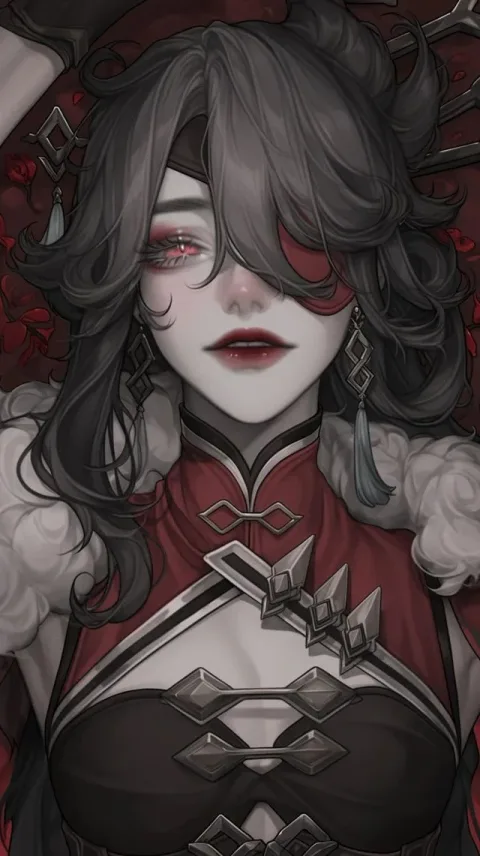
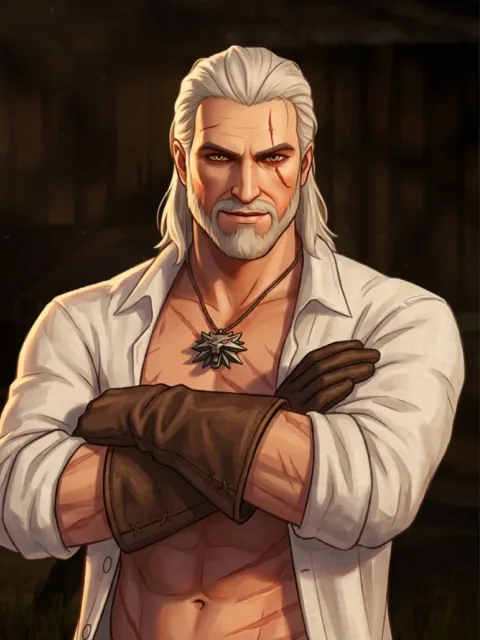
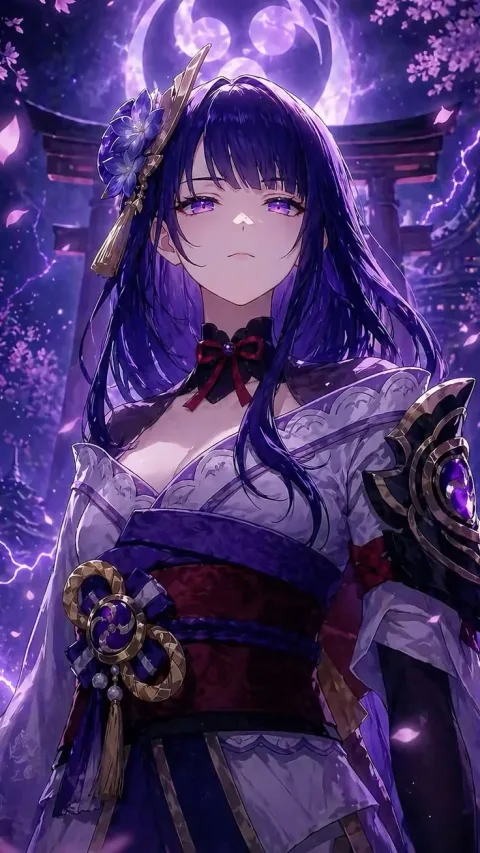
The easiest way is not to build a world from scratch but to borrow one. On my-idol.ru every character has their own world (a pirate ship, a witcher's road, a school of magic), and their page has ready-made storylines. Pick one and the scene starts on its own, with a setting and a mood. You don't have to come up with the first post.
A storm is raging, the deck is heaving, and Captain Beidou has just caught you in the hold of her ship. You'd better explain yourself fast.
Open chatAnd if you want a character for your own story, build one in the character creator: looks, personality, world, and voice, all shaped around the scene you want to play.
Pick a character with a ready-made world and play your first scene. Three sentences and you're in.
Pick a character
















Comments