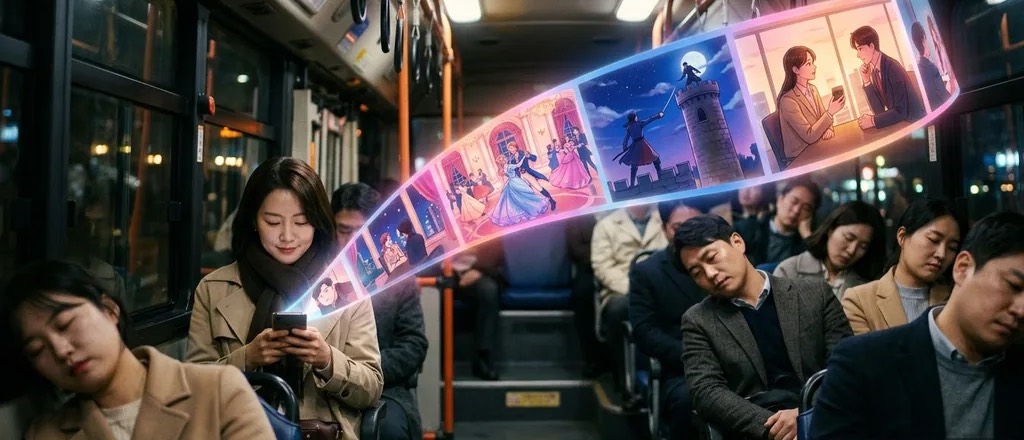
One word in three languages
The Chinese characters 漫画 are read "manga" in Japanese, "manhwa" in Korean and "manhua" in Chinese. Same meaning: pictures, comics. So manhwa isn't a genre or an art style — it's just the country of origin. A comic by a Korean creator is manhwa, even if it's drawn like an American one.
The confusion comes from sites that lump everything onto one "manga" shelf. No big deal, but if you're looking for something specific, the country tells you both the format and the storytelling style.
Manhwa, manga and manhua: the key differences
- Reading direction. Manga reads right to left; manhwa and manhua read left to right. That's the main tell you can spot from page one.
- Color. Classic manga is black and white. Webtoon manhwa is almost always in color, and so is manhua.
- Format. Manga comes out in magazines and volumes. Manhwa and manhua now live mostly in apps: one long vertical strip per chapter.
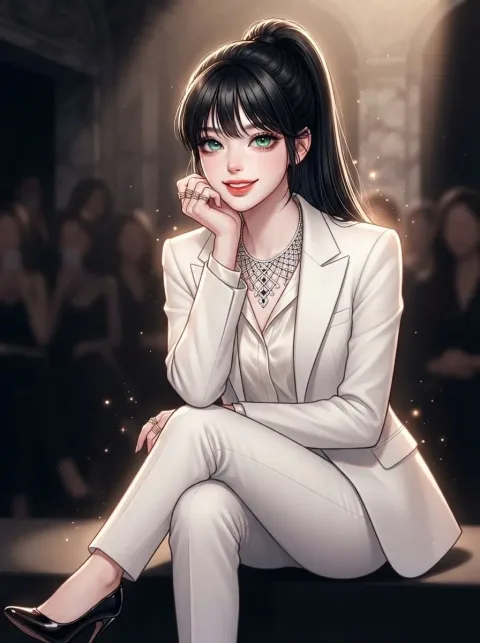
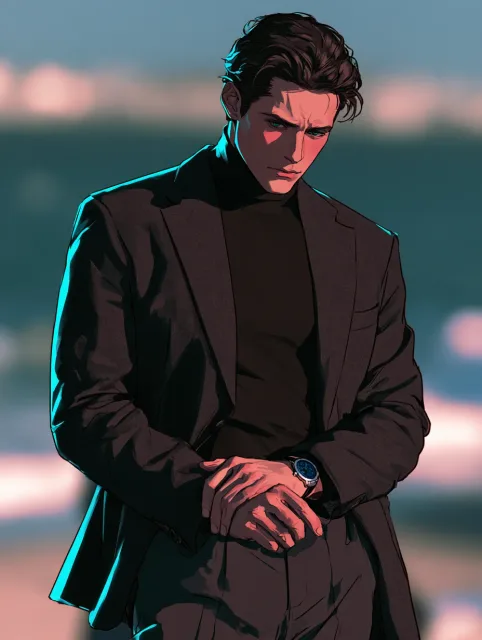
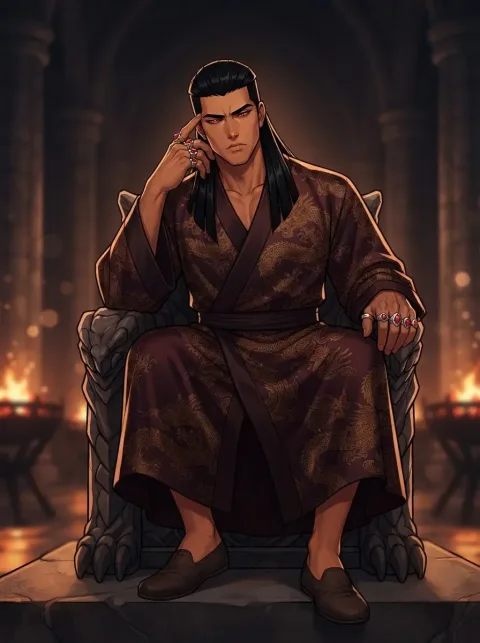
- Genres. Manga has everything. Manhwa is especially strong in romance fantasy, regression and stories about "hunters" and the System. Manhua leans into cultivation and wuxia-style martial arts.
Webtoons: why you scroll manhwa down
In the early 2000s, the Korean portals Daum and Naver started publishing comics right on their sites. A book page is awkward on a screen, but an endless strip fits perfectly. That's how the webtoon was born: panels stacked one under another, no spreads. In 2014 Naver launched an international version, LINE Webtoon, and the format spread worldwide.


Comments