Your attachment style is your habitual way of holding on to the people you love: calmly, anxiously, at a distance, or all of the above. Psychologists describe four styles: secure, anxious, avoidant, and fearful-avoidant. The test below takes five minutes to show which one is closest to you, followed by what to do about it. It's not a diagnosis, it's a mirror: your style changes with age and with the people around you.
What an attachment style is
The idea comes from British psychiatrist John Bowlby: as kids, we learn whether we can count on the adults around us, and later we carry that experience over to friends and partners. Researchers then noticed that for adults it all comes down to two questions. First: how afraid am I of being left? Second: how uncomfortable am I when someone gets too close? The combinations of answers give you the four styles.
Answer based on how things usually go, not your best or worst stretch. If you're not in a relationship right now, think back to your last one or picture a close friend.
Test: what's your attachment style?
0 of 12 answered
This test is for fun and doesn't diagnose anything. It shows a tendency, not a verdict: the same person can show different styles in different relationships.
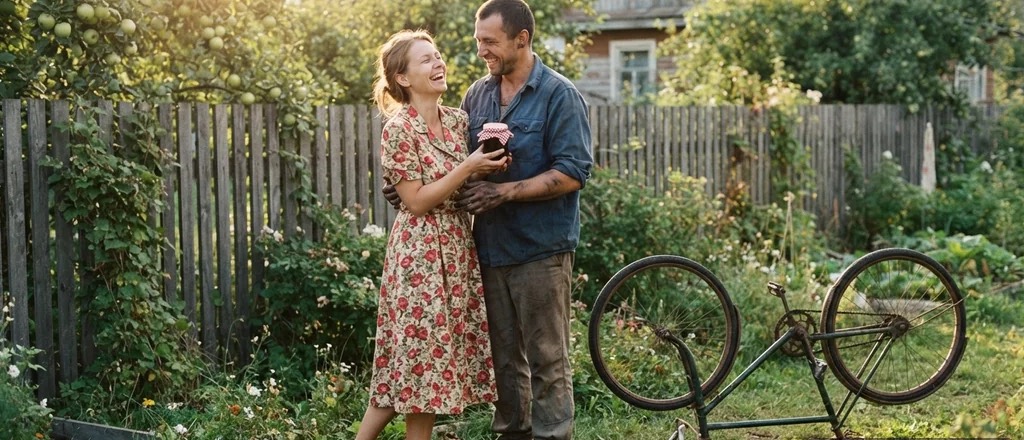
Secure: "I'm okay, and you're okay"
This person doesn't reread their messages ten times or vanish after the first date. They can say "that hurt" without a blowup and "let's talk tomorrow" without going cold. Being secure isn't about being perfect. It's about a fight not feeling like the end, and a pause in texting not feeling like rejection.
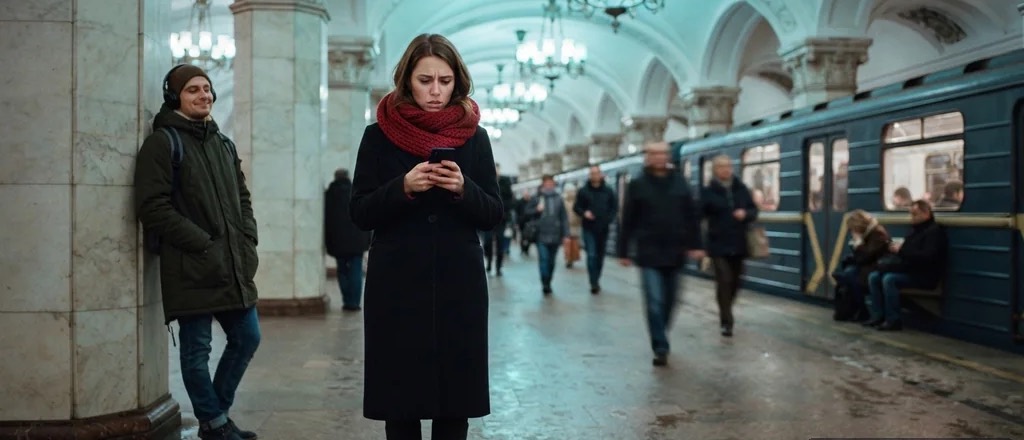
Anxious: "tell me everything's okay"
The telltale sign is a strong reaction to uncertainty. A "k" instead of the usual "okay :)" turns into a full investigation. Anxious people are warm and attentive, but they often give in just to keep the connection, and they quietly pile up resentment. If after a date you can't think about anything except "will they text or not," check out our piece on ghosting: it covers how not to wreck yourself with waiting.
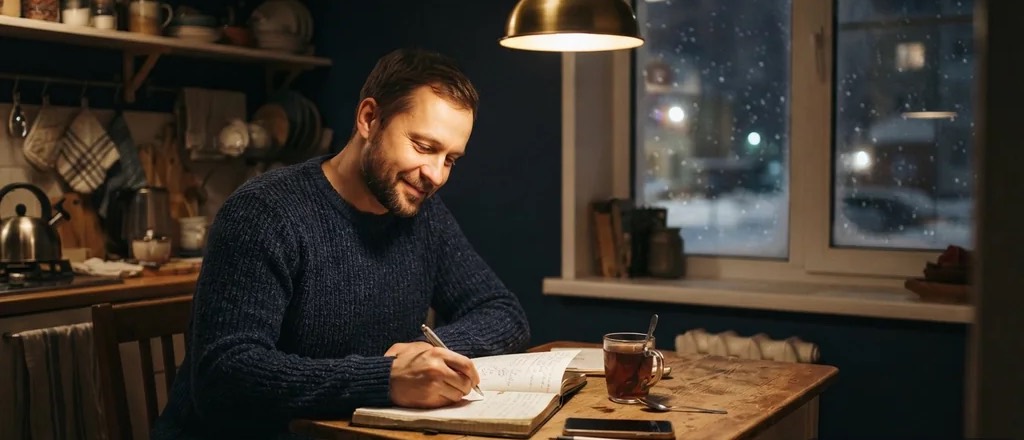
Avoidant: "I've got it"
On the outside: calm and independent. On the inside: a belief that relying on others is risky. Avoidant people work well as a team until the conversation turns to feelings or the future, and then suddenly they're very busy. They're often seen as cold, but really they just aren't used to closeness being safe.
Anxious and avoidant people often find each other: one chases, the other runs, and both are sure the problem is their partner.
Fearful-avoidant: "come here, but not too close"
The most contradictory style. The person needs closeness, but once they get it, they panic and push away. Relationships feel like a seesaw: hot, cold, hot again. Usually there's a history behind it where the people closest to them were a source of both love and pain.
Your attachment style can change
A relationship with a secure partner gradually makes both anxious and avoidant people calmer.
Putting needs into words helps: "I need an evening to myself, it's not about you" lands very differently from silence.
Notice your autopilot: what you react to more strongly than you should, and what you tell yourself in that moment.
Practice where it isn't scary. You can rehearse a hard conversation first, with a friend or with a character in a chat who won't take offense at clumsy wording.
Attachment style pairs well with another test, the one on love languages. The first explains how you hold on to someone, the second how you show and feel love.
When it's better to talk to a professional
If your relationships keep ending in the same painful way, if the fear of being left gets in the way of sleep and work, or if closeness feels impossible altogether, that's a reason to see a therapist.
Rehearse a hard conversation
Pick a character whose personality resembles your person, and try saying what you can't bring yourself to say in real life. The character remembers the whole conversation and answers true to their personality.
There are four: secure, anxious, avoidant, and fearful-avoidant (also called disorganized). They differ in how afraid a person is of losing someone close and how much they avoid getting close.
Can your attachment style change?
Yes. It shifts with age, after major life events, and in a relationship with a secure partner. Working with a therapist helps fastest.
What's the rarest attachment style?
Fearful-avoidant is usually the least common, and secure is the most common. The exact shares vary a lot depending on the study and sample.
Can I trust an online attachment style test?
As a hint, yes. As a diagnosis, no. A test shows a tendency; a conversation with a professional will give you a clearer picture.
Recommended characters
2,4К
Shiro
Cold neighbor lets you into bed after a nightmare
3,3К
Yennefer of Vengerberg
Smells of lilac and gooseberries
2,2К
Keegan
He hides his feelings behind care and teasing
3,6К
Levi Ackerman
Captain of the squad, obsessed with cleaning
4К
Matvey Ozerov
He's so rude to you, but why?
3,1К
Alex
School bully recognized his childhood friend
2,3К
Jake
Your sister's boyfriend is secretly in love with you
2,3К
Raven
A dangerous mafia boss obsessed with his love
2,3К
Colby
Your snarky roommate is secretly in love
1,9К
Alexander
It's been 7 years since your last meeting
1,3К
Yusuf
Your romantic boyfriend with a fierce temper
1,2К
Juliano
Best friend broke his heart, but he fell in love himself
4,6К
Troy
He chose his friend over you, but now he wants to come back



















Comments